


ADHD Brain Toolkit: Regulation, Focus & Flow

Uncategorized
Wishlist Share
Share Course
Page Link
Share On Social Media

About Course

ADHD Brain Toolkit: Regulation, Focus & Flow
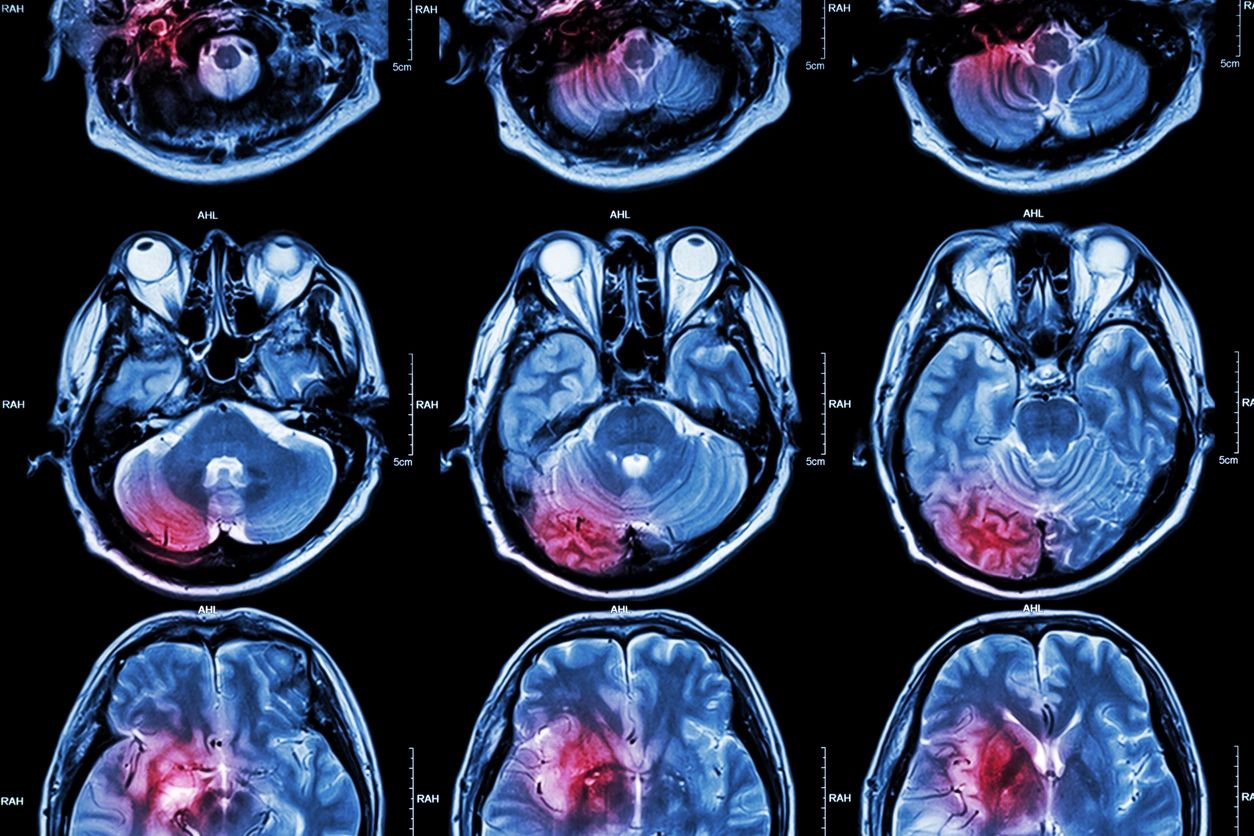
Course Intent

To equip people with ADHD with a set of evidence-informed and body-based tools that help regulate their nervous system, optimize brain function, and channel their energy into focus, creativity, and grounded action.


Module 1: Understanding the ADHD Brain

  • Neuroscience basics: Executive function, dopamine pathways, attention regulation.

  • Why ADHD isn’t “broken” but wired for novelty, creativity, and big-picture thinking.

  • The role of nervous system regulation in daily focus and energy.

  • Quick practice: 2-minute grounding breath to reset before learning.


Module 2: Brain Food for Focus & Mood

  • How glucose, protein, and fats impact focus & emotional regulation.

  • Food timing: stabilizing blood sugar to prevent crashes.

  • Nutrients that support dopamine & brain chemistry (e.g. Omega-3s, magnesium, zinc, B vitamins).

  • Hydration & ADHD – why water matters more than you think.

  • Toolkit practice: build a Focus Snack Formula (protein + crunch + hydration).


Module 3: Kinesiology for Resetting Energy

  • Using muscle-testing (applied kinesiology) to identify stress triggers.

  • Simple corrections for left-right brain balance (cross-crawl, eye movements).

  • Self-applied acupressure points for calming overwhelm.

  • Toolkit practice: 5-minute “switch on” routine to start the day.


Module 4: Somatic Awareness & Emotional Regulation

  • Why ADHD brains struggle with emotional intensity.

  • How trauma + ADHD can amplify dysregulation.

  • Somatic practices for “body-listening” rather than spiraling.

  • Techniques:

    • Butterfly hug

    • Vagus nerve reset (humming, gargling, sighing)

    • Orienting exercise for safety

  • Toolkit practice: 3-step “Pause, Sense, Shift” method.


Module 5: Movement as Medicine

  • Why sitting still backfires: ADHD brains are designed for movement.

  • Using micro-movements to improve focus (fidgeting, bouncing, tapping).

  • Exercise types that boost dopamine & serotonin (dance, HIIT bursts, walking).

  • Toolkit practice: create a Body-Double Movement Ritual (accountability + movement).


Module 6: Designing Your ADHD-Friendly Toolkit

  • Stacking tools for real life (food + breath + movement).

  • Creating transition rituals between tasks (shake, stretch, hydrate).

  • Environmental hacks (music, timers, visual cues).

  • Building your own Personal Regulation Map.


Module 7: Flow & Creative Energy

  • Turning “scattered” into “multi-passionate.”

  • Harnessing novelty for productivity.

  • Brain-dumping & somatic journaling.

  • Toolkit practice: 90-second momentum reset to overcome inertia.


Module 8: Integration & Everyday Practice

  • Putting it all together without overwhelm.

  • Weekly rhythm planning (with space for spontaneity).

  • How to check in with your nervous system daily.

  • Course wrap-up: guided “Future Self” visualization for motivation.


Delivery Style (ADHD-friendly)

  • Short video/audio lessons (5–10 minutes).

  • Visual one-page summaries.

  • Quick practices under 5 minutes.

  • Optional deeper dives for when focus is high.

  • Gentle humor + real-world language (no heavy jargon).


Show More

Course Content

Module 1: Understanding the ADHD Brain
Lesson Script – Module 1: Understanding the ADHD Brain [Opening – Warm Welcome] Hi, and welcome to the ADHD Brain Toolkit. I’m so glad you’re here. This course is designed for brains like ours — curious, energetic, sometimes scattered, but also deeply creative and resourceful. In this first lesson, we’re going to talk about the ADHD brain — not in a medical, overwhelming way, but in a way that makes sense in everyday life. By the end, you’ll understand why your brain does what it does, and how to start working with it instead of against it. [Part 1: The ADHD Brain in Simple Terms] Let’s start with the basics. ADHD isn’t about being “broken” or “lazy.” It’s about how our brains are wired. One of the main things that’s different in an ADHD brain is how we process dopamine — the brain chemical that helps us focus, feel motivated, and follow through. For people with ADHD, dopamine levels can feel like a rollercoaster. When something is new, exciting, or urgent — boom — dopamine spikes, and we can hyperfocus. But when something feels boring, repetitive, or slow? Dopamine drops, and it feels nearly impossible to get started. This isn’t a character flaw. It’s a neurological wiring. [Part 2: Executive Function & Regulation] You might also hear about “executive function.” That’s the brain’s control center — things like planning, remembering, prioritizing, and regulating emotions. For ADHD brains, executive function can be patchy. Some days you’re on top of the world, multitasking like a pro. Other days, you forget where your keys are, what you were saying mid-sentence, or why you opened the fridge in the first place. This is normal for ADHD. It’s not proof that you’re not capable — it just means you need tools to support the way your brain actually works. [Part 3: Reframing ADHD Strengths] Now here’s the good news: ADHD brains are often wired for creativity, problem-solving, and big-picture thinking. We’re great at spotting connections others might miss. We bring energy and fresh ideas to the table. We’re natural risk-takers, explorers, and innovators. The challenge isn’t that we don’t have gifts — it’s that we live in a world designed for linear, step-by-step brains. This toolkit is about bridging that gap so you can thrive, not just cope. [Part 4: Why Regulation Matters] Before we dive into food, movement, or somatic practices, I want to plant one seed: Regulation is everything. Your ability to focus, to remember, to stay grounded — it all depends on the state of your nervous system. When your body feels safe and balanced, your brain can actually do its best work. That’s why every module in this course includes a short, doable practice to bring your body and brain back into sync. [Mini Practice: 2-Minute Grounding Reset] Let’s try one now. Sit comfortably, and place both feet on the floor. Take a deep breath in through your nose… and let it out through your mouth with a sigh. Look around the room. Name three things you can see. Place one hand on your chest, one hand on your belly. Notice the rise and fall as you breathe. Whisper to yourself: “I’m here. I’m safe. I can begin.” That’s it. Less than two minutes, and you’ve just reset your system. [Closing] That’s the heart of Module 1: understanding that your brain isn’t faulty — it’s wired differently, and with the right support, it can shine. Next, in Module 2, we’ll dive into brain food — how what you eat (and when you eat it) can dramatically shift focus, mood, and energy. See you there x

Student Ratings & Reviews

No Review Yet
No Review Yet